Djelk IPA
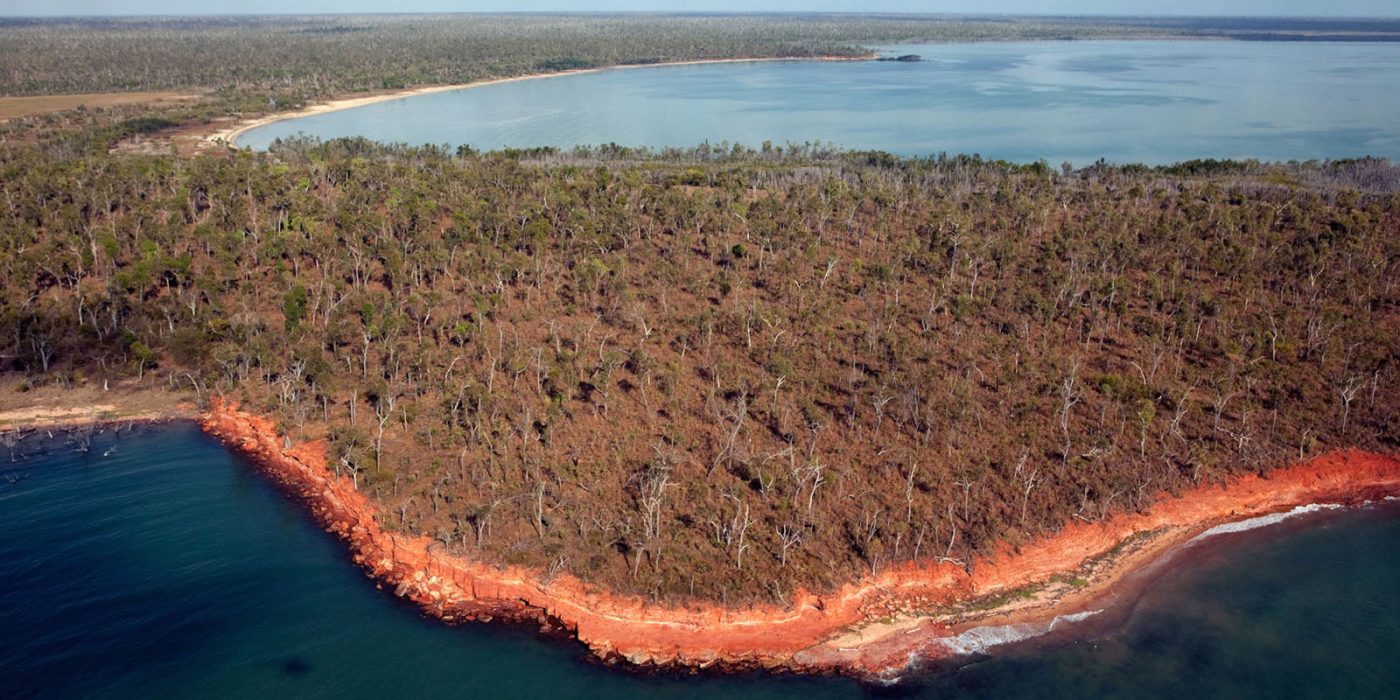
The Djelk Indigenous Protected Area (IPA) was declared in September 2009 following many years of consultation. Find out more...
Djelk Rangers
The Djelk Rangers are a Maningrida based Indigenous land management group that has been in continuous operation since the early 1990s. Their area of responsibility covers the Bawinanga Aboriginal Corporation (BAC) region encapsulating what is now the Djelk Indigenous Protected Area.
The Djelk Indigenous Protected Area (IPA) covers an area of 6,672 square kilometres. Following many years of consultation and development it was declared a protected area in September 2009. Landowners from more than 102 clans were consulted and all gave their full support for the declaration of the IPA and the endorsement of The Djelk Rangers and their management activities.
BAC and Djelk Rangers continue to advocate for the declaration of the IPA over sea country which is not presently recognised.
There has been continued growth and development across all operations for the Djelk Rangers in 2010-2011. Work continues with many partner groups including NT Fisheries, Australian Customs, Working on Country, Indigenous Protected Areas, Australian Quarantine and Inspection Services as well as the Central Arnhem Fire Abatement (CALFA) project and West Arnhem Fire Abatement project (WALFA). This partner group won the environmental ‘Banksia Award’ in 2011.
As part of the collaboration between Djelk, the Northern Territory Government Biodiversity Unit and neighbouring Warddeken IPA, ecologist Alys Stevens has been working with the Djelk Rangers to implement and coordinate biodiversity benchmarking and monitoring to assess the impacts of regional management practises. This has been a beneficial partnership that has provided opportunities for Rangers, Traditional Owners and environmental groups to develop a better understanding of biodiversity in the IPA, including how it is being affected and the invaluable use of well planned and executed land management activities.
There are 34 Land and Sea Djelk Rangers employed full time through the Working on Country program with additional funding received from the Fee for Service activities and BAC.
2011 was a very productive year for the Sea Rangers. Combined Coastal surveillance patrols conducted for the year covered over 17,000 nautical miles from the Cape Stewart area to the east of Maningrida and to Cuthbert Point in the west.
Funds from the Aboriginals Benefit Account were received for the purchase of 3 new vessels to replace the ageing Bawinanga I, II and III Stabi Crafts.
In May 2011 a new 8m custom built Yamba Marine Ocean Cylinder was commissioned. Djelk II was officially launched in Darwin by members of the Maningrida community and The Minister for Parks and Wildlife, Karl Hampton. On its maiden voyage, Rangers on Djelk II travelled to Maningrida via the Garig Gunak Barlu National and Marine Park (Cobourg Peninsula) where they were hosted for two nights by local Rangers before continuing to Maningrida via Croker and Gouldburn Islands. These vessels will enable Djelk Rangers to increase capacity to patrol the waters around Maningrida in varying conditions and continue to develop and grow potential Sea management activities.
The Djelk Rangers land management activities focus on prescribed burning, feral animal control, weed management, cultural site protection and biodiversity monitoring as well as providing support to local Outstation residents. The majority of Djelk activities are carried out within the area of the IPA, but they also undertake significant work in the surrounding areas, particularly with prescribed burning and weed control.
In a busy 2011 the Land Rangers increased their activities in all core operations. Weed management practises increased markedly due to a lengthy Wet Season which sometimes proved difficult. However, it was undertaken with a great deal of success in sometimes very trying conditions. The establishment of Wet Season storage facilities at Gurr Gurr (Table Hill) also enabled Rangers to manage weeds in areas normally inaccessible during this period of the year.
Fire management was a major part of the Rangers’ work load in 2011 and due to the late Wet Season there was a significant increase of late season fires which the Rangers controlled successfully through on-ground fire fighting techniques and early season fire management implementation.
The development and trial of a new Cybertracker sequence to record data on Rock Art and culturally significant sites within the Djelk IPA also took place in 2011. This will be a valuable tool in expanding the cultural heritage component of land management activities. Djelk Rangers also assisted the Museum and Art Gallery of the Northern Territory (MAGNT) in the repatriation program—returning human remains to traditional Homelands (Outstations) within the IPA.
The heavy Wet Season kept the Rangers very busy with an increased number of recovery and rescue operations and extra support to Outstations. Community support activities are an important part of Djelk work—committed to supporting Outstations and people on country.
The Junior Ranger Program (Learning on Country program) was endorsed in 2011 with a signing of the Memorandum of Understanding (MOU) between BAC and Maningrida School.
Djelk continues to be a leader in Indigenous Ranger programs throughout Northern Australia and we look forward to the coming year and further growth in all areas..